

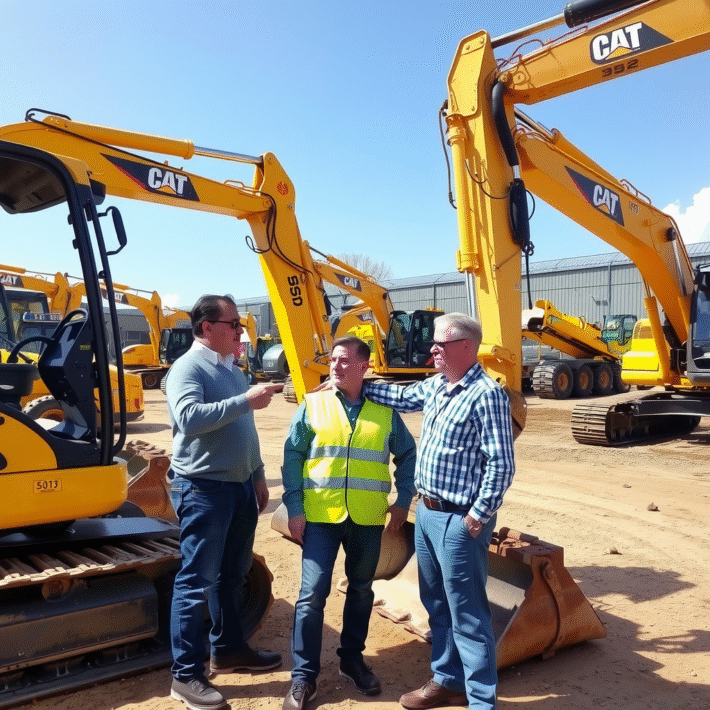
Discover high-quality excavators for sale at competitive prices! Equip your next project with reliable machinery. Visit https://www.sjhallplant.com today to explore our extensive range and find the perfect excavator to meet your construction needs.
Choosing the right excavator is a decision that can significantly impact your project’s success. Whether you’re considering new excavators for sale or searching for a used mini excavator, it’s essential to make an informed choice. Here’s a comprehensive guide to help you navigate through the complexities of selecting the right excavator for your needs.
Understanding Your Requirements
Before diving into the available options, it’s crucial to assess your specific requirements. Start by evaluating the nature of your project. Are you working on a large construction site, or do you require something more compact for landscaping or residential work?
Consider the following aspects:
- Project Size: Larger projects often demand larger equipment, while smaller jobs can be efficiently handled with mini excavators.
- Soil Type: The type of soil or material you’ll be working with can affect your choice. Rocky or clayey soil may require a more robust machine.
- Access Considerations: If you’re working in confined spaces, a used mini excavator might be your best bet due to its smaller size and agility.
Excavator Types
There are various types of excavators available in the market, each tailored for specific applications. Understanding these categories can help you decide which excavator suits your needs:
- Standard Excavators: These are versatile machines suitable for a wide range of tasks, from digging to lifting. They often feature a rotating cab for added flexibility.
- Mini Excavators: Ideal for smaller operations, used mini excavators can manoeuvre in tight spaces and are perfect for landscaping, utilities, and small construction jobs.
- Crawler Excavators: Designed for difficult terrains, these excavators offer enhanced stability and increased power, making them suitable for heavy-duty applications.
- Wheeled Excavators: These machines are equipped with wheels instead of tracks, providing higher speed on solid surfaces. They are excellent for roadwork and urban settings.
New vs Used Excavators
Deciding between new and second-hand excavators can be a daunting task, especially with the financial implications involved. Here are some pros and cons to consider:
New Excavators
Pros
- Latest technology and features
- Warranties and support services
- Lower maintenance costs initially
Cons
- Higher price tag
- Depreciation can occur quickly
Used or Second Hand Excavators
Pros
- Often much cheaper than new models
- Less depreciation applied
- Available in various sizes and specifications
Cons
- Potential for hidden problems or wear
- Limited or no warranties depending on age
For those on a budget or looking for specific features, the market for used mini excavators is particularly promising, as it offers a wide array of choices at competitive prices.
Important Specifications to Consider
When exploring excavators for sale, pay close attention to these critical specifications:
- Operating Weight: Heavier excavators are generally more stable but may be harder to transport. Conversely, lighter machines are easier to transport but may lack power.
- Digging Depth and Reach: Consider the maximum digging depth you require. Longer arms can significantly increase your reach and efficiency.
- Hydraulic Power: This determines how well the excavator can power attachments, affecting your versatility on site.
- Swing Radius: A minimum swing radius is essential for manoeuvring in tight spaces, especially if you’re considering a used mini excavator.
Assessing Condition and Maintenance History
If you’re leaning towards second-hand excavators, it’s imperative to assess the condition and maintenance history of the machine. Here are some steps you can take:
- Inspection: Always conduct a thorough physical inspection. Look for signs of wear, rust, or damage.
- Service Records: Ask for maintenance records to ensure the excavator has been well looked after. Regular servicing can indicate that the machine is in good working condition.
- Test Drive: If possible, take the excavator for a test, observing its performance, controls, and any strange noises.
Additional Considerations
- Budget: Set a clear budget, considering not just the purchase price but also potential operational costs like fuel and maintenance.
- Availability of Parts: Ensure that parts for the excavator type you select are readily available; this can save you time and money in case repairs are needed.
- Dealer Reputation: Choose a reputable dealer, whether you’re buying new or used machinery. Look for reviews and ask for recommendations to ensure you’re making a wise investment.
Renting vs Buying
If you’re not ready to commit to a purchase, consider renting excavators. Rental options can be a flexible way to acquire equipment without the long-term financial commitment. Rental also allows you to test different models before making a significant investment in an excavator for sale.
By carefully assessing your needs, considering the types and conditions of excavators available, and understanding the financial implications, you will be well on your way to choosing the right excavator for your project. Whether you end up with a robust new excavator or a reliable used mini excavator, the right choice will undoubtedly contribute to the success of your construction endeavours.