

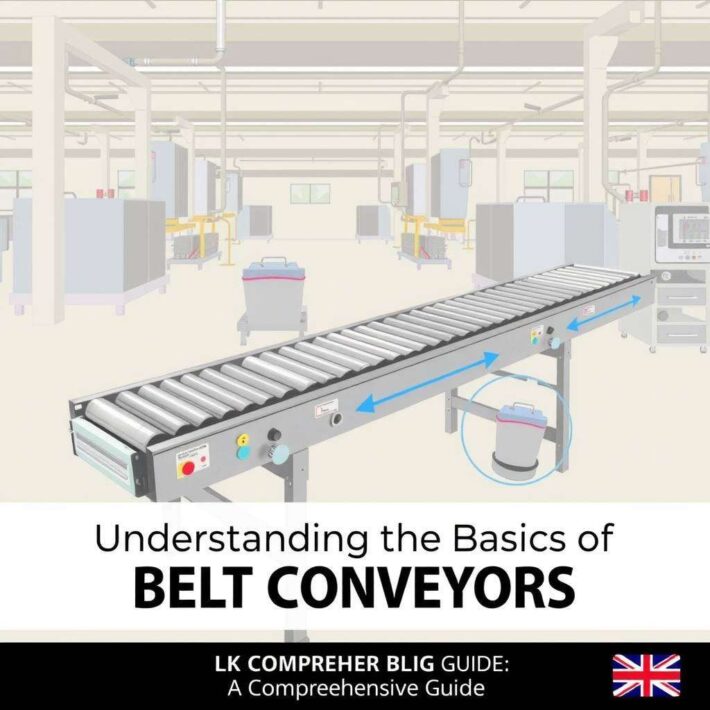
Belt conveyors are integral to a multitude of industries, providing an efficient and reliable means of transporting materials across various sectors. From manufacturing and logistics to agriculture and mining, belt conveyor systems are designed to streamline processes, improve productivity, and reduce manual labour. As an essential piece of equipment for many operations, understanding the fundamentals of belt conveyors is crucial for businesses seeking to optimise their material handling. This comprehensive guide aims to explore the key features, types, and applications of belt conveyor systems, helping organisations make informed decisions when investing in this vital technology.
FAQ: Belt Conveyor
What is a belt conveyor?
A belt conveyor is a mechanical system that uses a continuous belt to transport materials or goods from one point to another. It is commonly used in manufacturing, mining, and logistics to move bulk or packaged products efficiently.
How does a belt conveyor work?
A belt conveyor operates by rotating a belt around pulleys or drums. Material is placed on the belt, which then moves over rollers, allowing for smooth and continuous transportation. The system is powered by a motor that drives the belt via a drive pulley, while an idler pulley guides and supports the belt.
What are the main components of a belt conveyor?
The primary components of a belt conveyor include:
- Belt: The surface that carries the material.
- Frame: The structure that supports the conveyor.
- Pulleys/Drums: Rollers that guide and drive the belt.
- Motor and gearbox: Power source that moves the belt.
- Idlers: Support rollers to keep the belt aligned.
- Accessories: Cleats, sidewalls, and scrapers for specialised applications.
What industries use belt conveyors?
Belt conveyors are versatile and used across various industries, including:
- Mining
- Food processing
- Manufacturing
- Logistics and warehousing
- Agriculture
- Recycling and waste management
What are the advantages of using a belt conveyor?
Some key benefits include:
- High efficiency and continuous operation
- Capable of transporting a wide range of materials
- Cost-effective for long-distance transportation
- Low maintenance requirements
- Flexible design options suitable for different applications
How do I choose the right belt conveyor for my needs?
Consider the following factors:
- Type of material being transported (bulk, packaged, abrasive, etc.)
- Material size and weight
- Length and capacity requirements
- Operating environment (temperature, humidity, corrosive conditions)
- Space constraints and layout
- Budget and maintenance considerations
What are common issues with belt conveyors and how can they be prevented?
Common problems include belt misalignment, slippage, material spillage, and belt wear. Preventive measures include:
- Regular inspection and maintenance
- Proper belt tensioning
- Ensuring correct alignment
- Using appropriate belt types for specific materials
- Installing side guards or skirting to contain spillage
How do I maintain a belt conveyor?
Proper maintenance involves:
- Frequent inspection of the belt and rollers
- Ensuring proper tension and alignment
- Lubricating moving parts as needed
- Replacing worn or damaged belts promptly
- Keeping the conveyor area clean and free of debris
Can belt conveyors be customised?
Yes, belt conveyors can be customised to fit specific needs, including length, width, speed, conveyor inclination, and additional features like conveyors with sidewalls, cleats, or specialised surfaces for particular materials.
Where can I buy a belt conveyor?
Belt conveyors are available from many industrial equipment suppliers and manufacturers. It’s recommended to consult with a distributor or manufacturer to select a model that suits your specific requirements and to get professional installation and support.
A belt conveyor is an essential component in modern material handling systems, providing efficient and reliable transportation of goods. For high-quality options, visit https://conveyor-belts.semperitgroup.com/. Belt conveyors are widely used across industries such as mining, manufacturing, and logistics due to their durability and ease of operation. Selecting the right belt conveyor ensures smooth workflow and improves overall productivity, making it a vital investment for any operational setup requiring continuous, efficient material movement.
What Are Belt Conveyors?
Belt conveyors are continuous mechanical devices used to transport materials from one location to another. They consist of a belt that runs over pulleys or rollers, driven by an electric motor, creating a moving surface that carries the load. The versatility of belt conveyor systems makes them suitable for handling items in a wide range of shapes, sizes, and weights. They are particularly valued for their ability to move large quantities of material efficiently and with minimal spillage or damage.
Key Components of Belt Conveyor Systems
Understanding the fundamental components of belt conveyors is essential for efficient operation and maintenance:
- Belt: The main moving surface, typically made from rubber, fabric, or steel, depending on application requirements.
- Pulleys: Rotating rollers that drive or guide the belt; include head pulleys (drive pulleys) and tail pulleys (return pulleys).
- Rollers: Support the belt and the load, reducing friction and aiding movement.
- Frames: The structural framework that supports the conveyor components.
- Motor and Drive System: Powers the movement of the belt, usually through a geared motor linked to one of the pulleys.
- Idlers: Additional rollers that support the belt and help maintain proper tension and alignment.
Types of Belt Conveyors
There are several main types of belt conveyors, each designed to meet specific operational needs:
A belt conveyor is an essential component in many manufacturing and logistics operations, offering efficient material handling. Its durability and reliability make it a popular choice for various industries. For high-quality belt conveyor solutions, visit https://conveyorrollers.co.uk. They provide a wide range of conveyor equipment tailored to your needs.
Flat Belt Conveyors
These are the most common type, featuring a flat, horizontal belt used to transport items steadily across a span. They are ideal for general material handling tasks and are frequently found in manufacturing and packaging lines.
Inclined Belt Conveyors
As the name suggests, inclined belt conveyors are designed to move materials up or down an incline. They are essential in facilities where space constraints require elevation changes or for elevating materials onto higher levels.
Heavy Duty Belt Conveyors
Designed to handle substantial volumes or heavy loads, heavy-duty belt conveyors are constructed with durable materials and robust frames. They often feature wider belts, stronger rollers, and reinforced components, making them suitable for industries such as mining, recycling, and heavy manufacturing.
Roller Belt Conveyors
These combine the features of roller conveyors and belt conveyors, with rollers supporting the belt’s movement. They are advantageous for handling bulky or irregularly shaped items and can be configured to optimise flow and minimise material damage.
A belt conveyor is essential for efficient material handling in various industries. For reliable options, visit https://power-packconveyor.com/conveyors/belts/. These conveyors improve workflow, increase productivity, and are customizable to meet specific operational needs.
Agricultural Belt Conveyors
Specially designed for the agricultural sector, these conveyors facilitate the movement of grains, produce, or feed. They are often constructed to be durable, easy to clean, and capable of handling the varying sizes and textures typical of agricultural products.
Applications of Belt Conveyor Systems
Belt conveyors are utilised across numerous industries for various operational tasks:
- Manufacturing: Moving parts along assembly lines, loading/unloading goods.
- Mining: Transporting extracted materials over long distances or to processing units.
- Agriculture: Handling produce or feed efficiently.
- Logistics & Warehousing: Sorting, packing, and dispatching goods.
- Recycling & Waste Management: Conveying recyclable materials for processing.
Selection Criteria for Belt Conveyor Systems
Choosing the appropriate belt conveyor system depends on several factors:
- Material Characteristics: Size, weight, abrasiveness, and fragility influence belt choice, surface material, and reinforcement.
- Capacity & Throughput: The volume of material to be moved per hour determines conveyor size and motor power.
- Operational Environment: Exposure to moisture, chemicals, or extreme temperatures affects materials and design features.
- Spatial Constraints: Inclined or curved conveyors may be suitable to optimise space utilisation.
- Maintenance & Durability: Heavy-duty applications require robust components and easier maintenance features.
Innovation and Customisation
Modern belt conveyor systems often incorporate advanced features such as inclinable sections, modular designs, and automation integration. Many belt conveyor companies offer customised solutions tailored to specific operational needs, enhancing efficiency and reducing downtime.
Elements of a Reliable Belt Conveyor System
When investing in belt conveyor systems for sale, consider the following:
- Quality of Components: Opt for reputable brands or manufacturers known for durability.
- Ease of Maintenance: Features such as quick-release belts and accessible motors simplify upkeep.
- Safety Features: Emergency stops, guarding, and labelled safety zones are essential.
- Energy Efficiency: Variable speed controls can lead to significant power savings.
A belt conveyor is an essential component in material handling industries, providing efficient and reliable transportation of goods. Its design ensures smooth operation and durability. For more information on advanced solutions, visit https://www.continental-industry.com/en/solutions/conveyor-belt-systems/material-handling.
The Role of Belt Conveyors UK and Industry Suppliers
In the UK, belt conveyors UK are supplied by specialised manufacturers and suppliers who provide a broad range of solutions, including heavy duty belt conveyors and agricultural belt conveyors. Leading belt conveyor companies support various sectors by offering systems designed for high performance and longevity. Whether seeking belt conveyors for sale or customised systems, partnering with an experienced provider ensures operational excellence.
Maintenance and Troubleshooting
Routine maintenance is critical to prolonging the lifespan of conveyor systems. Regular inspections of belts, rollers, and pulleys help identify wear and tear early. Adjusting tension, lubricating moving parts, and replacing worn components prevent costly downtime. Troubleshooting common issues such as belt misalignment, slippage, or material spillage involves reviewing operational parameters and ensuring the system is correctly calibrated and maintained.
In conclusion, a solid understanding of belt conveyor basics is foundational for operational efficiency across various industries. From selecting the right type—be it a roller belt conveyor, inclined belt conveyor, or heavy duty belt conveyor—to implementing effective maintenance practices, investing in quality systems from reputable belt conveyor companies ensures reliable, long-term performance. As the industry continues to evolve, so do the innovations and customisations available, making belt conveyor systems an essential component of modern material handling solutions.